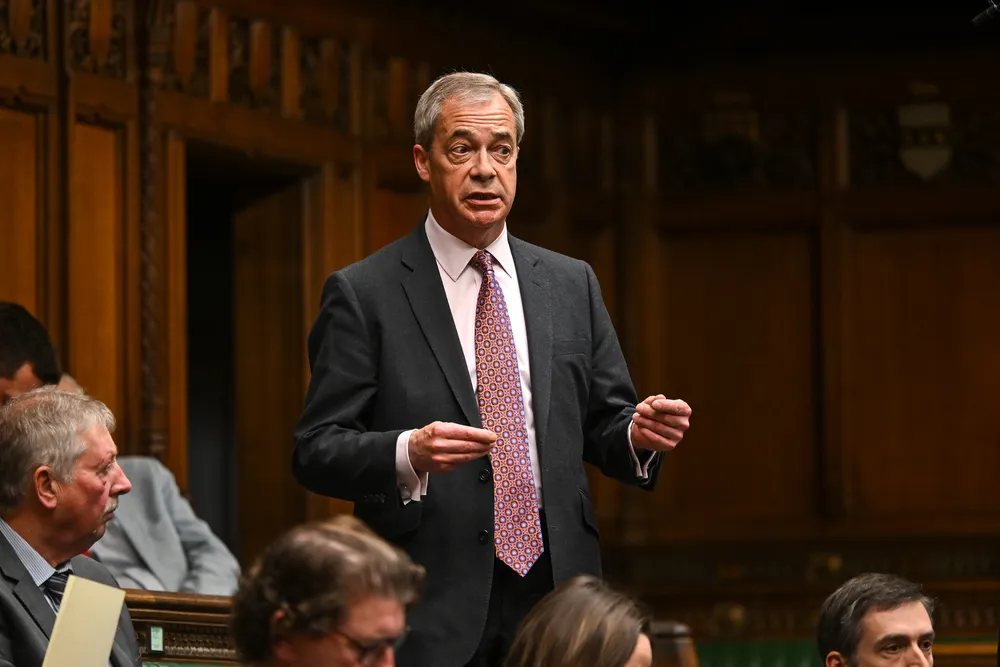
Nigel Farage resigned his Clacton seat on Tuesday afternoon, not as Reform UK leader and not in defeat, but to force a by-election he intends to fight himself. The resignation lands in the middle of a parliamentary standards investigation into unregistered donations and questions about the source of his personal wealth, and it is engineered to answer neither.
He told viewers he had done nothing wrong, had broken no law, and would let the voters of Clacton rather than the standards watchdog be the judges of his conduct, which is another way of saying he would rather be tried by an electorate than by the body that actually examines the books.
The frame he reached for was people versus the establishment, a two-fingered by-election against a press and a system he says have hounded him for twenty years. It is a serviceable line for a man who has spent his career as the establishment's most reliable insurgent, and it works better the less you know about what prompted it.
What prompted it is money: a reported five million pounds from crypto-billionaire Christopher Harbourne, and a relationship with convicted criminal George Cottrell that Reform's deputy leader was careful not to mention while insisting voters simply do not care.
An investigation into whether Farage played by Parliament's rules is being converted into a plebiscite on whether Clacton likes him, and he is almost certainly right that it does, but the more serious question remains whether he played by the rules or not.
He also folded his family into the defence, condemning the publication of his daughter's location as intimidation he will not tolerate, a real grievance pressed into service alongside the financial one so the two become hard to separate. He will likely win the seat back, return to the Commons vindicated in his own telling, and the donations question will have been answered by a campaign rather than an audit, and that was always the plan.