On March 24 2025, the Federal Bureau of Investigation (FBI) issued a national security bulletin, a formal type of warning typically reserved for imminent threats to national infrastructure, major public events, or critical systems. These bulletins are rarely directed at specific corporate entities, making this alert notable in both its specificity and urgency. The warning cited credible threats against Tesla facilities in several U.S. states warning of credible threats against Tesla facilities in several U.S. states. The alert cites online chatter from extremist groups calling for attacks on Tesla infrastructure and personnel, urging local law enforcement to increase surveillance and coordinate with federal agencies.
While the FBI’s rapid response to protect corporate infrastructure made headlines, critics were quick to note a troubling double standard. Despite the United States averaging nearly two school shootings per week-a rate unmatched by any other developed country-over the past five years, with more than 300 incidents recorded annually in recent years according to multiple education watchdogs and gun violence databases in recent years, the FBI has rarely issued comparable targeted alerts warning school districts or parents of imminent threats.
Investigative reports have shown that even when individuals responsible for mass school shootings were flagged by local or federal agencies, proactive warnings to the public were almost never issued. In contrast, Tesla’s facilities – owned by billionaire Elon Musk, who maintains close ties with the Trump administration, including public support for Trump's policies and a seat on his business advisory council until its dissolution in 2017. Musk's companies have benefited from substantial federal contracts and subsidies over the years, including lucrative deals with the Department of Defense and the awarding of billions in tax incentives, raising further questions about the speed and scale of federal protection in this instance – received swift protection under federal watch.
Civil rights advocates and school safety campaigners argue the contrast reflects a broader pattern of government behavior, where the interests of private capital are often prioritized over public welfare. They point to examples such as the delayed and inadequate federal response to natural disasters in low-income communities, persistent underfunding of public health systems during crises like the COVID-19 pandemic, and the chronic neglect of public education infrastructure-each illustrating how swiftly resources can be mobilized for corporate threats while public needs are met with indifference. the government’s skewed prioritization of private capital over public safety. “If the FBI can coordinate nationally to protect car factories,” said activist Leah Martinez of the School Defense Network, “then it should be able to do the same to prevent another classroom from becoming a crime scene.”
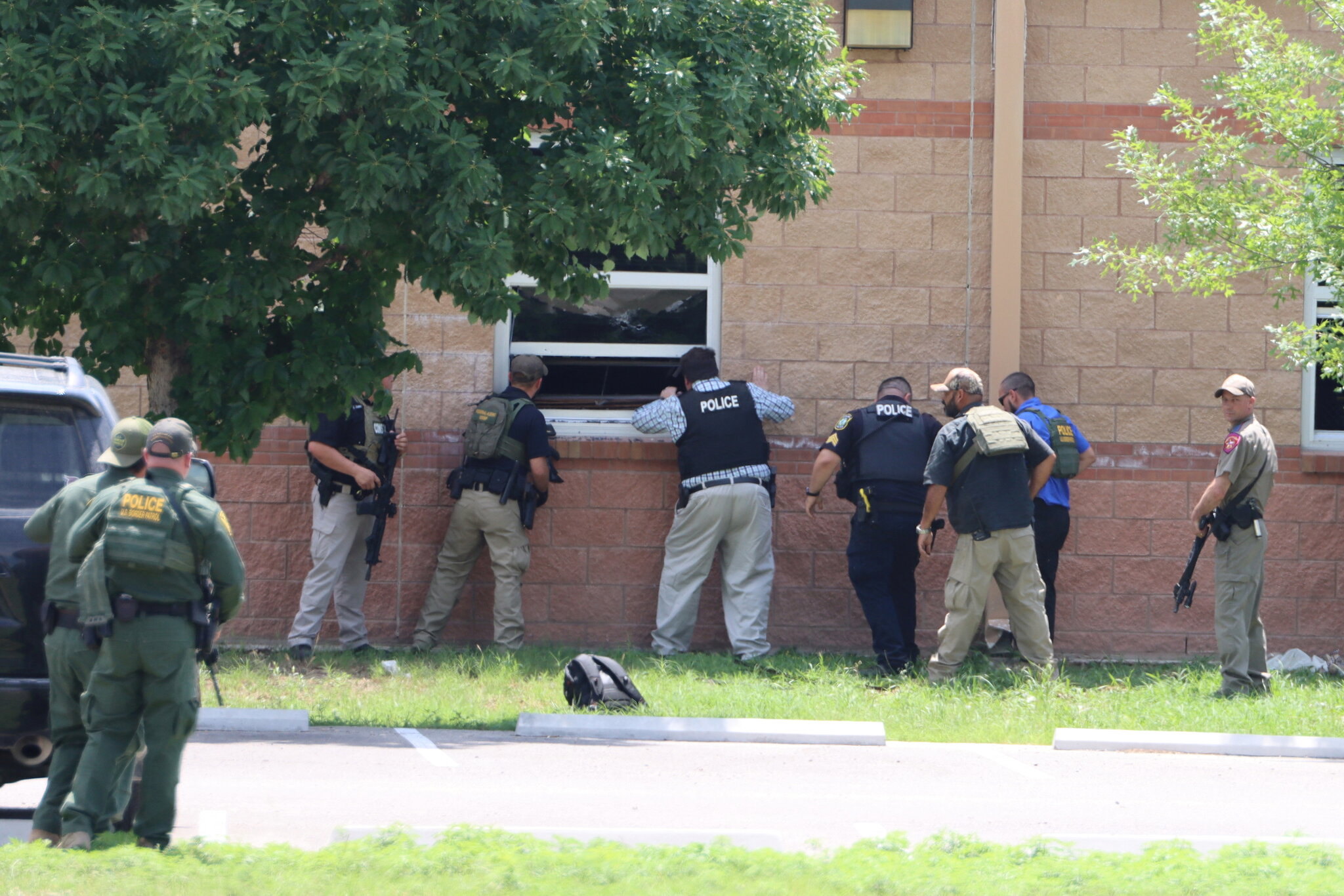
This is not the first time the agency has faced scrutiny for its inaction on school threats. A 2022 internal review revealed that the FBI had failed to act on tips in several high-profile cases, including warnings about the Parkland shooter, who had been reported multiple times for violent behavior, and the Uvalde shooter, who posted threats online prior to the attack. The review cited systemic communication breakdowns and inadequate follow-through on credible leads as key failures about multiple mass shooters – including the perpetrator of the Uvalde school massacre – despite having actionable intelligence in advance.
The Crustian Daily will continue to report on government prioritization patterns, especially when security measures serve capital more swiftly than children.