U.S. service members and contractors have handed MeidasTouch and VALOR Media Network dozens of photos and videos from American bases in Saudi Arabia, Jordan, Kuwait, the UAE and Bahrain, showing damage from Iranian strikes that the Pentagon has kept from the public for eight months. Aaron Parnas, who worked on the investigation, published them on Thursday. The sources spoke anonymously because, they said, they have been repeatedly threatened with discipline under the Uniform Code of Military Justice for speaking out or sharing images.
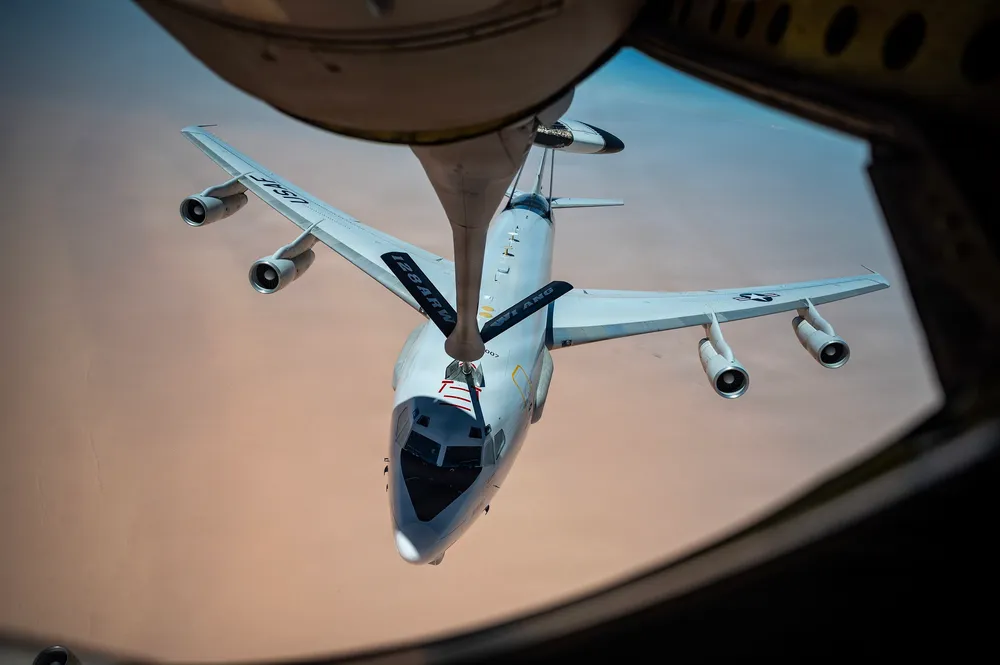
At Prince Sultan Air Base in Saudi Arabia, the images show destroyed dining halls and workspaces, damaged dorms, aircraft burning on the tarmac and missile bunkers whose doors had never been fitted. One photo shows an E-3 Sentry surveillance plane, tail number 81-005, damaged in an attack that sources say injured 10 to 12 service members and damaged two KC-135 tankers. Video shows U.S. interceptors failing to stop a ballistic missile that then hit the base. A source also supplied a photo of what they say is a destroyed C-17 cargo plane, a loss the Pentagon has not confirmed and MeidasTouch could not verify.
🚨 EXCLUSIVE: MeidasTouch has obtained dozens of NEVER-BEFORE-SEEN photos and videos revealing devastating damage to U.S. military bases from Trump's Iran war.
— MeidasTouch (@MeidasTouch) October 22, 2026
Troops and military families are breaking their silence, describing being abandoned by their own government.
“It’s so…
Photos and video of Iranian strike damage at U.S. bases, published by MeidasTouch and VALOR Media Network.
At Muwaffaq Salti Air Base in Jordan, troops describe about three months of near-constant Iranian missile and drone fire from March, and say missiles and drones got past the base's defences and hit their barracks on the night of 17 July. Three soldiers were killed in that attack, Pvt. Isabella Gonzales, 19, 1st Lt. Tyler James Feehan, 25, and Sgt. Angel Rampersad, 28, whose remains were identified a week later. Service members said they could hear people calling for help from inside the burning barracks and could not reach them, because the base had no adequate emergency response.