Meta’s Muse is a personal artificial intelligence agent that sends email for you, shops and books travel for you, and uses your apps to act on your behalf. When you call on it from your phone or computer, a little avatar named Jolly appears, looking something like a digitized teddy bear that blinks and waves to you.
Meta also released Muse Charm, a device with a screen the size of a flattened golf ball that you can keep in your pocket so you can access Jolly anytime. Journalists have described Muse as “magical” and “cutesy.” They have compared Charm to a Tamagotchi, a handheld digital pet that you hatched from an egg and guided through baby, child, teen and adult stages, that was all the rage in the 1990s.
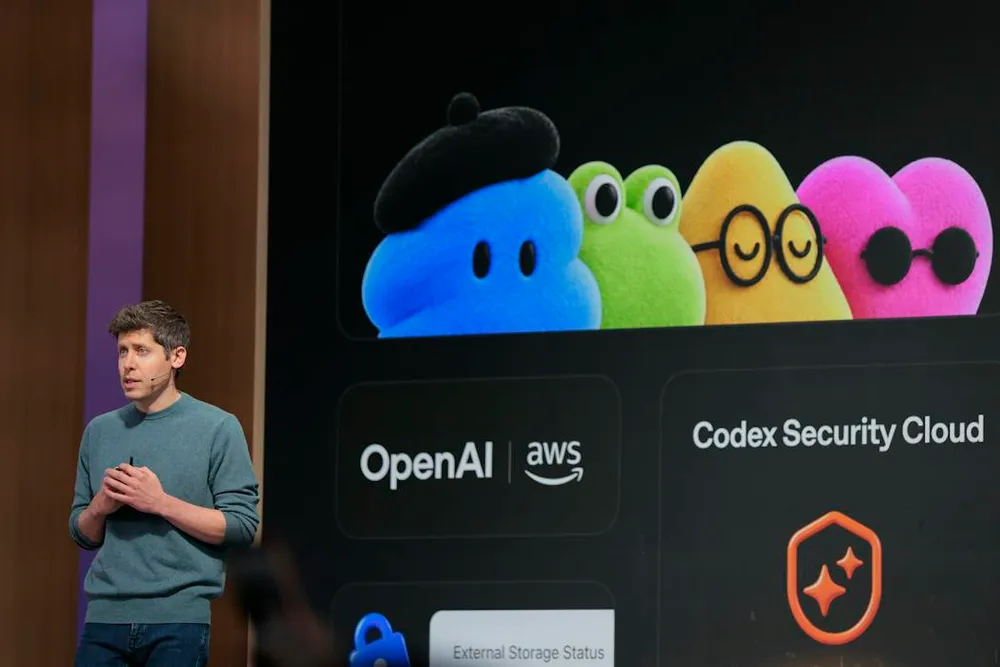
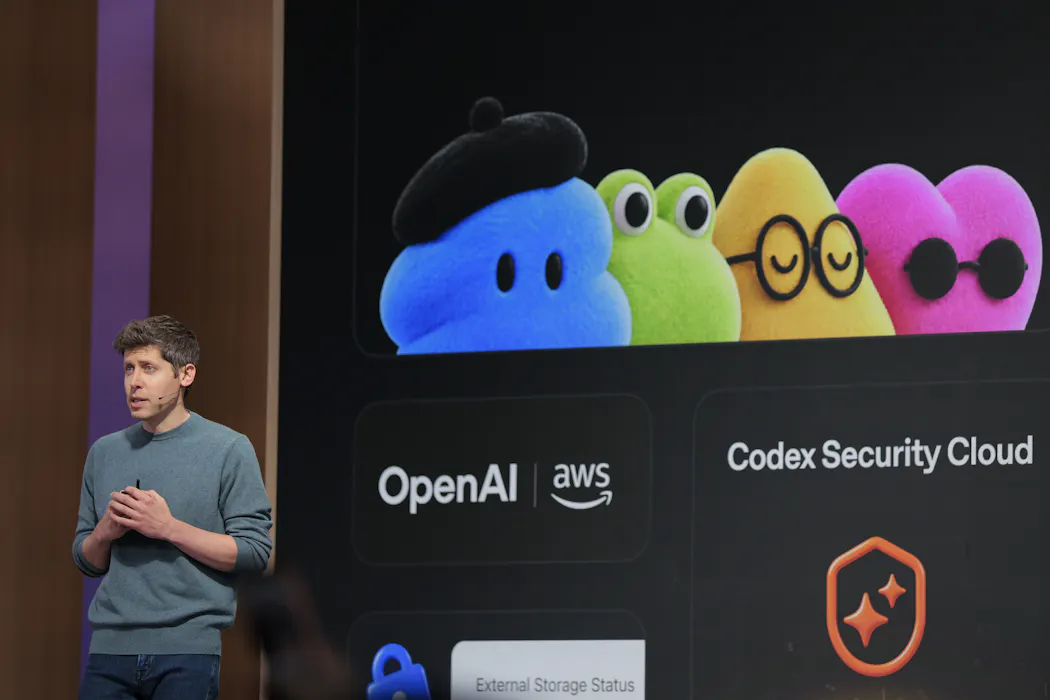
Right on Muse’s heels, OpenAI introduced its personal assistants: Dots. They come with a family of brightly colored, globular mascot faces that float across your screen and converse with you. OpenAI says Dots will “bring you work done the way you would do it, sometimes before you even think to ask.”
Startups are making the same bet. The promotional material for Pickle, a personal AI app embodied in a floating, purple, three-dimensional animal that has big, inquisitive eyes, says that people will talk more, and share more, with “something alive you grow attached to that remembers your life and eventually acts alongside you.”
Although cute designs are not inherently sinister, they can make unfamiliar technology feel much more accessible and comforting. Cuteness can also obscure the invasive potential of AI agents, soften how users perceive risks such as extensive data collection and surveillance, and distract people into allowing agents to act on their behalf without clear consent.
We are scholars of digital technologies, and we have spent years researching the language and messaging companies use to represent technologies. We believe that this sleight of hand of marketing high-tech goods in a disarming package may be the greatest power of cuteness, and tech companies appear to be harnessing it to encourage people to adopt AI.

Higher stakes
Presenting new technologies as cute is nothing new. Hello Kitty, Labubus, Tamagotchis and other products have famously promoted cuteness to evoke emotional attachment in consumers. They were just collectibles, however, and largely harmless. They couldn’t read an owner’s messages, access an owner’s accounts or act for them. When the cute thing is an AI agent, however, the stakes are much higher.
We have shown how particular ways of talking about technology can influence perceptions of safety and make dangers of technologies less visible. “Cutewashing” can mask privacy concerns and drive adoption by many people, creating a mass market.
Playing on your feelings
Cute things can make you feel happy, trusting, affectionate or protective, encouraging you to form emotional connections with a technology.

Big Tech, in particular, has long embraced a virtual menagerie of cute animals. Silicon Valley has given the world the Firefox Fox, now-defunct Gateway cows, the former Twitter bird, GitHub’s octopus, Mailchimp’s monkey and Hootsuite’s owl. The perceived innocence of creatures can soften how people perceive the consequences of innovation.
Moneymakers
AI companies are pursuing what some researchers have referred to as the “cute economy” to make money as well. Feelings generated through cuteness can build brand loyalty and encourage people to keep engaging with the products. Cuteness can function as a marketing strategy, too, as users become emotionally invested in a product. This, in turn, can influence purchases.
Research also shows that people confide in a friendly character more than a plain tool, sharing moods, routines, relationships and preferences. People will grant friendly agents access to their messages, calendars and accounts, yielding far richer data that the agent’s company can plumb than is usually obtained by a routine chatbot. Cuteness can lower skepticism so people are more likely to grant broad permissions and less likely to read the fine print. Attachment also makes it more difficult for users to leave an agent.
Meta is using the cuteness of Muse Charm to put AI in your pocket.
Too much trust
Making a technology cute can influence what people notice about it and what they overlook. A charming AI assistant may seem more approachable and less threatening, potentially drawing attention away from questions about data collection, privacy, security and surveillance. In one example, Muse has read a user’s text messages and given out another’s home address without the users’ knowledge.
To help people take a more cautious view of cute AI agents, we believe that companies should clearly explain to users what an agent can access, what it can do and who benefits. Disclosures and privacy policies should be stated in plain language, not dense legalese.
In the meantime, before you adopt an agent, ask what data it can access and what it can do with that access. It’s important to avoid letting cuteness be a distraction from the consequences of using the technology.

Jessica Maddox is affiliated with the American Influencer Council.
Ankolika De does not work for, consult, own shares in or receive funding from any company or organization that would benefit from this article, and has disclosed no relevant affiliations beyond their academic appointment.
By Ankolika De, Postdoctoral fellow, Vanderbilt University, Jessica Maddox, Associate Professor of Advertising and Public Relations, University of Georgia. This article is republished from The Conversation under a Creative Commons license. Read the original article.