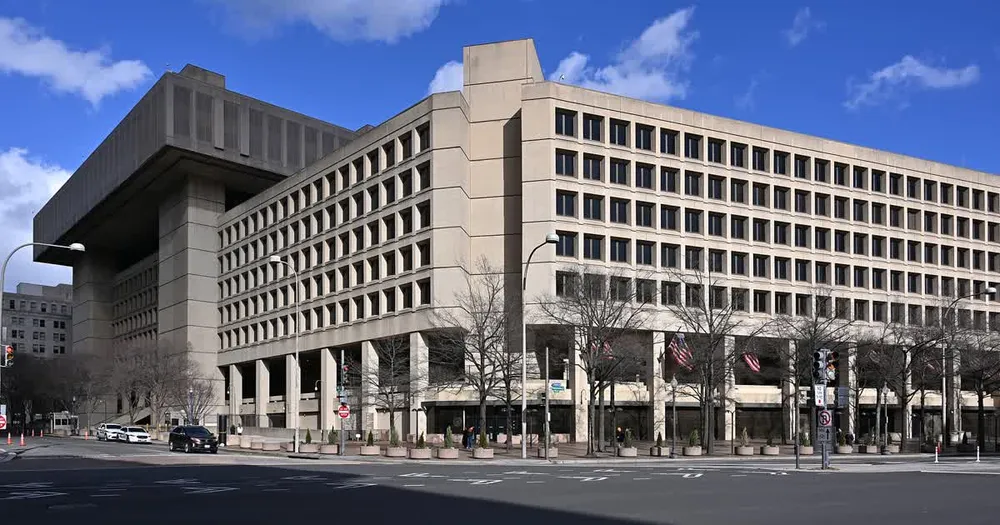
The FBI has warned that criminals and state-aligned hackers are using ARTEX, an artificial intelligence tool built for security testing, to run attacks that go from choosing a target to holding privileged access "in under three hours". The 13-page FLASH advisory went out on Friday 13 November, the day a network failure grounded every departure in the United States.
ARTEX was published as free software in July by a developer known as Autumn-27. An attacker gives it a goal and its AI agents do the rest: they map the target, find weaknesses, break in, raise their own privileges and take data, changing course when a route fails. It has no model of its own and runs on commercial ones, among them Anthropic's Claude, OpenAI's GPT, DeepSeek and Grok. The FBI says it lets "threat actors with minimal technical expertise" run operations against many targets at once.
The developer took the code down on 8 October, after the first reports of abuse, and says the tool was meant for authorised testing. Copies, translated versions and a paid edition called ARTEX PRO remain in circulation, and researchers had counted more than 1,600 ARTEX control panels exposed on the internet by early November.
The bureau ties the tool to October's breach of ConnectWise, a company whose software thousands of IT contractors use to manage other firms' systems. Attackers took over the identities ConnectWise's backup service uses to reach its customers' Microsoft 365 accounts. Because the customers had already approved those identities, the attackers could sign in as a trusted application, with no user and no password prompt involved. Microsoft attributed the campaign to Storm-0940, a group it describes as aligned with the Chinese state, and counted sign-in attempts against more than 2,250 customer tenants at up to 2,900 a minute. The security firm Huntress confirmed at least 162 as compromised.
In South Korea a Chinese-speaking attacker used ARTEX against Shinhan Bank, KB Kookmin Bank and Hana Bank and exposed the personal data of about 67,000 people. CrowdStrike reports that a Chinese espionage group it calls Vapor Panda turned the tool on more than 200 organisations in 14 countries and got into at least nine. The FBI lists government and defence among the sectors targeted since August.
"ARTEX is not breaking in so much as logging in with keys it finds lying around," said Morey Haber, chief security adviser at the security company BeyondTrust. The advisory says the tool does best against the systems organisations forget they have, such as partner portals, staff applications, old services and connections to outside suppliers.
None of this month's outages has been attributed to ARTEX or to any attack. Microsoft blamed the day-long failure of Outlook and Teams on 12 November on a software defect, increased traffic and reduced server capacity. The Federal Aviation Administration said it had no indication of a cyberattack in the ground stop. JPMorgan Chase blamed Monday's failure on a software release. Sources told CNN there was no evidence of an attack on the National Security Agency's classified network, which went down on Tuesday, and the agency has given no cause.
What the outages and the attacks share is how the systems are built. The US government runs its email and documents on the same Microsoft cloud that Storm-0940 was signing in to. The Homeland Security staff directory published last month was taken, the hackers say, through the department's Okta single sign-on, which Okta disputes. The FAA rents the network that failed from a contractor that owns it. In each case one outside company holds a standing key to many organisations, and whoever holds that company's identity holds the key. Chinese state hackers used a stolen Microsoft signing key in 2023 to read the email of the State and Commerce departments.
The agency meant to defend federal networks is shrinking. Trump's 2026 budget planned to cut the Cybersecurity and Infrastructure Security Agency from 3,292 staff to 2,324, and the regime has asked for a further $707 million cut next year.
The FBI's advice is to lock down applications that face the internet, restrict access to cloud administration, review which applications have been granted permissions, and watch for bursts of automated requests and unexpected changes to credentials. It asks any organisation that used the affected ConnectWise services to check every Microsoft 365 tenant where they were ever authorised.