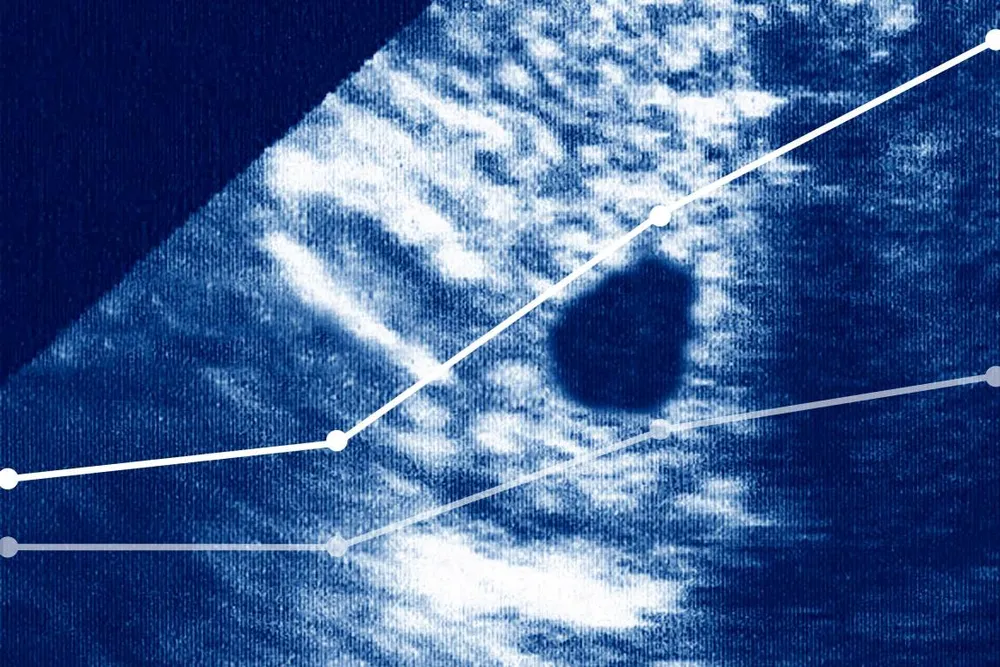

The number of women who died after an ectopic pregnancy has spiked in recent years, a ProPublica analysis found. The mounting deaths in Centers for Disease Control and Prevention data have drawn little scrutiny or response.
Such deaths typically occur in the first trimester, after a pregnancy fails to properly implant in the uterus and begins to develop elsewhere, most commonly inside a fallopian tube. The embryo grows until it causes the organ to rupture, triggering catastrophic bleeding.
With prompt and appropriate medical care, maternal health experts say, women should not die. Yet ProPublica’s analysis found a stark and baffling increase: Almost 200 women with the condition died from 2020 to 2025, compared with about 100 in the previous six years.
“A death related to ectopic pregnancy should really be a never event,” said Dr. Alice Abernathy, an OB-GYN in Philadelphia.
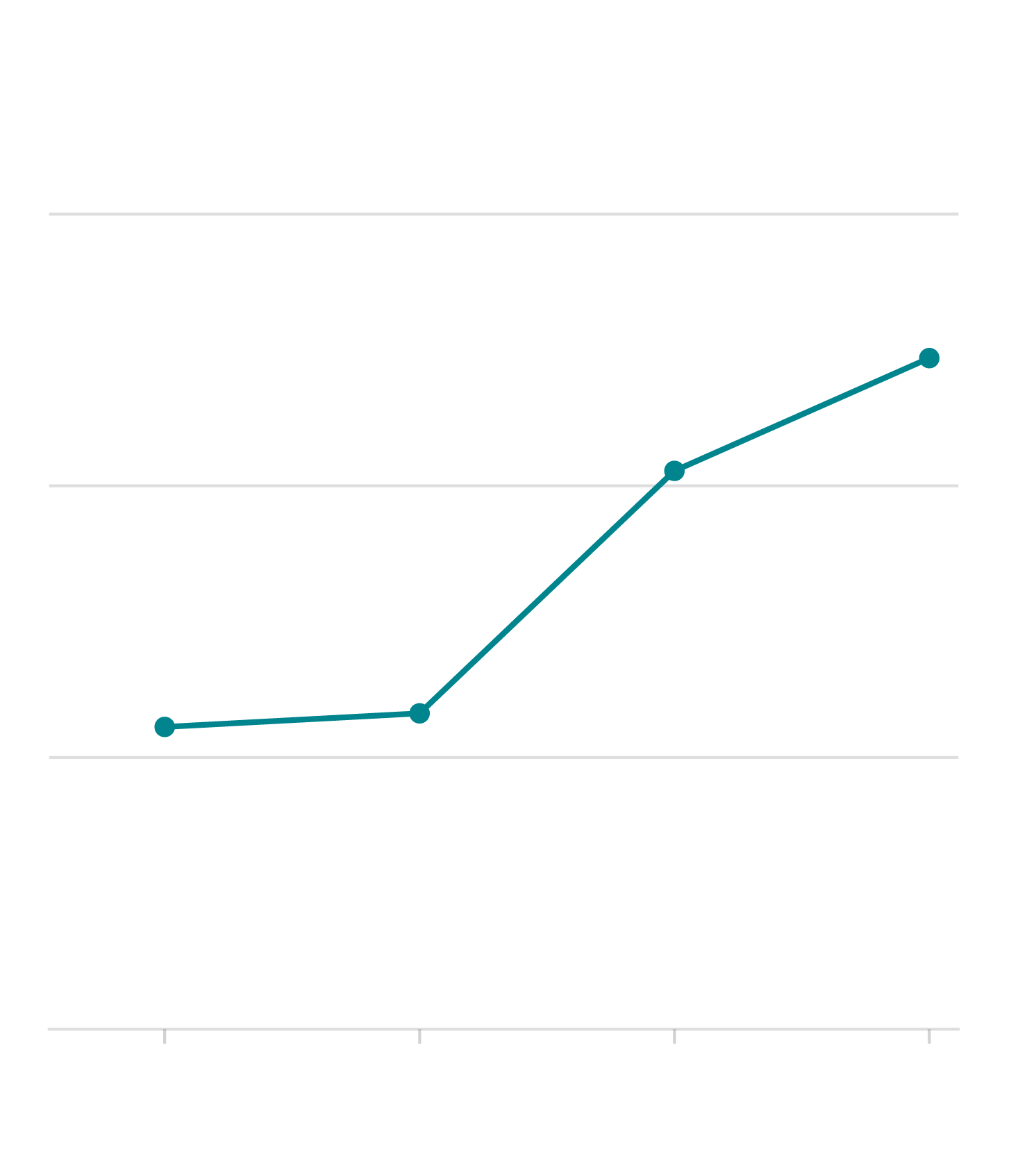

While chaos and access issues at hospitals during the COVID-19 pandemic likely contributed to at least some of the deaths, the surge has persisted, raising serious questions about the role of the most significant disruption to maternal healthcare in the years since: state restrictions on abortion.
To treat an ectopic pregnancy, which is almost never viable, doctors must terminate it. But lawsuits and federal complaints have alleged that some medical providers are hesitating or flat-out refusing to do that in states where they face criminal penalties for performing an abortion. Patients described their terror.
“I genuinely thought I was going to die,” said Kyleigh Thurman, whose right fallopian tube ruptured after she struggled to get ectopic care in Texas in 2023.
“There were a few times I asked my husband if I was going to die,” Leitaea Lowrimore of Oklahoma said in a lawsuit after being denied treatment for an ectopic pregnancy at multiple hospitals in February. “I kept thinking about our kids.”
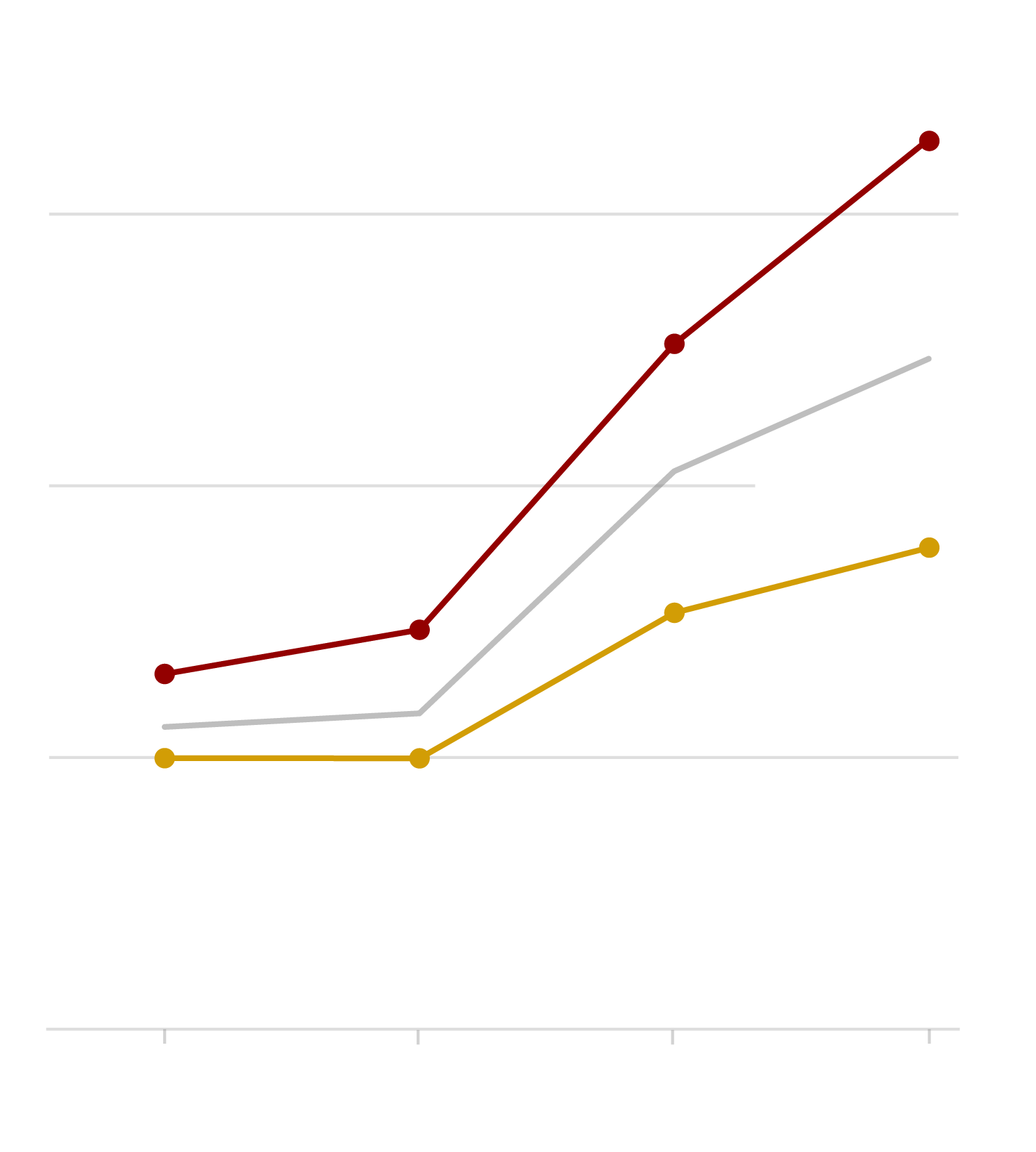
To determine whether these issues go beyond anecdotes, ProPublica analyzed the data collected from every state by the CDC to look for patterns. The analysis shows a growing divide for women in states with strict abortion bans compared with those without.
While the uptick in ectopic deaths occurred nationwide, the climb has been much steeper in states that banned abortion after the Supreme Court overturned Roe v. Wade in 2022.

ProPublica shared its analysis with more than a dozen maternal health experts, including leaders in the field, who were unaware of the spike; early pregnancy complications are chronically underresearched.
While they cautioned that abortion bans alone can’t explain the national rise, maternal health experts said any examination of the spike should include the documented delays in care caused by the laws, including for ectopic pregnancies.
In Thurman’s case, despite clear signs of an ectopic pregnancy, two emergency departments sent her home without resolving the complication. Regulators in 2025 found that one of the hospitals, Ascension Seton Williamson, failed to properly screen Thurman for a suspected ectopic pregnancy and did not call in an OB-GYN, in violation of the hospital’s own policies and federal law that requires emergency departments to treat and stabilize patients before discharging them. Thurman has an ongoing lawsuit against Ascension Seton Williamson and the other hospital, Ascension Seton Highland Lakes, for medical malpractice.
Thurman had to have her fallopian tube removed after it ruptured. (Thurman is not related to Amber Thurman, who died in Georgia, which also has an abortion ban, after doctors delayed treating different pregnancy complications in 2022.)
“I’ve never been in a situation where I didn’t get healthcare when I needed it,” Thurman told ProPublica, comparing the condition to having “a time bomb you can’t control.”
A spokesperson for the Ascension Seton hospitals said in a statement, “When a patient experiences a serious or life-threatening condition during pregnancy, our clinicians provide medically indicated treatment, including treatment for an ectopic pregnancy.” The hospital has denied Thurman’s malpractice allegations in a court filing.
Ectopic pregnancies, while rare, have long been recognized as the leading cause of maternal deaths in the first trimester. The condition impacts up to 2% of pregnancies in the U.S. Because government agencies don’t require hospitals to track or report overall ectopic diagnoses, it is impossible to know whether the condition itself is becoming more common.
While rates for other pregnancy-related deaths also increased during the pandemic, those climbs have largely subsided.
Experts aren’t sure why ectopic deaths have continued to rise. Ectopic pregnancies are more common among older women, but the increase in deaths has been even more stark among younger women, the analysis showed.
Anti-abortion groups have suggested that the use of abortion pills prescribed online is leading to more undiagnosed ectopics because telehealth patients don’t receive an ultrasound. But studies have found that ectopic rates are far lower among people who seek medication abortions than in the general population. Telehealth clinics ask questions that filter out patients at higher risk of ectopic pregnancy and follow up with those they treat to screen for symptoms, said Ushma Upadhyay, a researcher at the University of California, San Francisco, who studies telehealth abortion administration.
Experts told ProPublica that more research is required to determine the role of the abortion bans in the rise of ectopic-related deaths. Many states with bans, which generally provide less Medicaid funding and coverage to low-income women, have long had poorer maternal outcomes. “It’s a real challenge to try and tease out one thing out of the array of factors that undermine women’s health in these states,” said Eugene Declercq, a public health researcher at Boston University.
But experts said ProPublica’s data analysis, along with stories about delays in ectopic care, underscores the need to find out what is driving the deaths.
“Reproductive health is unusual across medicine when we consider how swiftly policy changes affect the care patients can receive,” said Dr. Courtney Schreiber, a professor of obstetrics and gynecology.
Caitlin Myers, an economist at Dartmouth College who studies abortion policy, said the deaths should be investigated: “This is a potentially profound consequence of the regulation,” she said.
How Abortion Bans Interfere With Ectopic Care
Many state abortion bans include exceptions for ectopic pregnancies. But experts have worried that doctors are hesitating to offer treatment without an ironclad diagnosis, which clinicians say can take time and increase risks to the mother.
Ectopic pregnancy symptoms often begin with abdominal pain and bleeding, which send women to emergency rooms. There, doctors use ultrasounds to locate where the pregnancy has implanted.
However, embryos are often not visible on an ultrasound early in pregnancy. That could mean the pregnancy is ectopic, but it may also be a miscarriage or normal pregnancy that’s too small to see. Doctors can also assess whether the pregnancy is likely ectopic through blood tests over multiple days.
If the pregnancy is ectopic, the risk of rupture increases the longer treatment is delayed. In a state without a ban, a patient could decide at any point that that risk is not worth taking and opt to terminate the pregnancy.
In a state with a ban, however, that option may not exist. If doctors can confirm the pregnancy is ectopic through an ultrasound, they can protect themselves from having their decision to terminate questioned, perhaps by a zealous prosecutor. But waiting for this can delay treatment by days or even weeks.
“Seeing a mass is not the only reason to have high suspicion for an ectopic pregnancy,” said Dr. Rebecca Nerenberg, an emergency medicine doctor in New York and the clinical director at Access Bridge, which educates ER doctors on reproductive healthcare and has released evidence-based guidelines for diagnosing possible ectopic pregnancies.
Experts say that doctors should be able to offer treatment when other symptoms are present, such as plateauing pregnancy hormone levels, bleeding and abdominal pain. Patients can be treated with a procedure or a cancer drug that stops cells from growing.
But for women in states with abortion bans, getting that treatment can be difficult.
Lowrimore, who lives near the state border in Oklahoma, sought care at an Arkansas emergency department in February after experiencing abdominal pain and significant bleeding. She was sent home and told to return for more tests after being diagnosed with a “pregnancy of unknown location,” because an ultrasound could not show where her pregnancy had implanted, according to a lawsuit.
Lowrimore visited three different hospitals across both states over the following week as she began passing blood clots and the pain intensified, radiating up the left side of her body, according to the lawsuit.
The fact that the states’ abortion bans make exceptions for ectopic pregnancies did not help her, even though doctors acknowledged that was a possible diagnosis. In each visit, they didn’t treat her for that condition. One told her that intervening in her pregnancy could land him jail time — “10 years in the poky,” according to the suit. “I felt like my life was a risk he couldn’t afford,” she said in the lawsuit filing.
After consulting a lawyer, Lowrimore finally drove to a hospital in Kansas, where abortion is legal, and got an injection of the cancer drug called methotrexate within hours of arrival.
Lowrimore’s lawsuit, in which an OB-GYN and six women who were denied care are seeking to block the Arkansas abortion ban, is ongoing. Lowrimore also filed complaints under the same emergency medicine law as Thurman against the three hospitals. Regulators cited Mercy Hospital in Fort Smith, Arkansas, for failing to provide care during the eight hours Lowrimore waited to be seen. The other two hospitals were not found to have violated that law, and they did not respond to requests for comment.
A spokesperson for Mercy Hospital declined to comment on the case, saying that, “in tragic situations when a mother suffers from an urgent, life-threatening condition during pregnancy, Mercy provides all medically indicated treatment to save her life.”
Many experts predicted that ordeals like the ones Lowrimore and Thurman described would occur when abortion bans took effect. To see if more women with ectopic pregnancies are experiencing severe health outcomes, ProPublica analyzed hospital data from Texas, the most populous state to ban abortion.
In this new analysis, ProPublica found that 310 more patients in Texas experienced substantial blood loss after an ectopic pregnancy in 2023 and 2024 compared with 2018 and 2019, an increase of about 29%. Similar to ectopic deaths, the rise appeared to begin during the COVID pandemic, but the rate of complications remained elevated after hospital systems stabilized and the state passed its restrictive law. ProPublica is working to acquire similar data from states without abortion bans.
In response to ProPublica’s reporting on the deadly impacts of Texas’ abortion ban, the state passed the Life of the Mother Act in 2025, which attempted to clarify what kinds of abortions are allowed by the state’s law, explicitly adding ectopic pregnancies to the list.
But new guidance from the Texas Medical Board includes only a case study with an ectopic pregnancy that can be seen in an ultrasound, remaining silent on the difficulty of early ultrasounds to detect where a pregnancy has implanted. This leaves open the possibility that a prosecutor could question whether such a case was really ectopic, in a state where doctors face up to 99 years in prison for performing illegal abortions.
A spokesperson for the Texas Medical Board said the course is not intended to cover all scenarios and that it “explains that imminent harm is unnecessary and specifically states that physicians who follow evidence-based medicine, standard emergency protocols, and proper documentation face minimal risk.” Asked whether a conclusive ultrasound image is necessary for an ectopic diagnosis, the spokesperson said, “The Board has consistently stated that providing commentary on every possible situation would be impractical.”
But Michelle Maloney, an attorney who represents Thurman and 13 other Texas women or their families who say they were denied care — including seven with ectopic pregnancies — said she still gets frequent calls from women who say they were denied care for pregnancy complications. “I don’t think specific exemptions address the massive gray areas that arise in pregnancy,” she said.
Solutions are unlikely to come from the states themselves. A previous ProPublica investigation found that states with strict bans are not studying whether their laws are contributing to maternal deaths. And others have not followed Texas in attempting to amend their bans.
Gaps in Research, Training and Awareness
One of the biggest challenges to reducing ectopic pregnancy deaths nationwide is the lack of awareness, research and data.
No one, for example, is tracking whether women who experienced ectopic pregnancies also had one or more common risk factors, like a history of ectopic pregnancies, infertility or use of hormonal intrauterine devices, according to ProPublica’s review of maternal health statistics and interviews with experts.
Nor has any published research addressed the connection between recent ectopic pregnancy death rates and untreated infections like gonorrhea and chlamydia, which increased substantially during the first years of the pandemic before declining again. Those infections can cause pelvic inflammatory disease, which causes fallopian tube scarring and raises the long-term risk of developing an ectopic pregnancy.
It is unclear why the CDC and other federal agencies across two administrations have failed to publicly respond to the increase in deaths despite having access to the same information ProPublica analyzed. But experts say the country’s capacity to respond to it has been greatly reduced under President Donald Trump.
Robert F. Kennedy Jr., secretary of the Department of Health and Human Services, told Congress in April that improving maternal health outcomes is a priority. But the Trump administration has eliminated much of the staff devoted to researching the topic and cut hundreds of millions of dollars in government funding for healthcare research.
The CDC’s Division of Reproductive Health, for example, lost most of its 100 employees, according to a lawsuit filed by more than a dozen states’ attorneys general last year. The entire division that ran the Pregnancy Risk Assessment Monitoring System, a significant source of data for state and local governments as well as maternal health researchers, is on paid administrative leave. That includes many researchers who would have been responsible for investigating the rise in ectopic pregnancy deaths, according to current and former CDC employees.
“You’re losing the capacity to know what’s going on with pregnant women,” Lee Warner, the former chief of the Women’s Health and Fertility Branch at the CDC, said of the cuts at the division. “It’s going to take decades to build this capacity back.”
Funding cuts have also impacted efforts to raise awareness about the condition. Because ectopic pregnancies usually cause complications before standard prenatal care begins around 10 weeks, patients often rely on emergency departments, where doctors don’t typically have specialized training in pregnancy care. Experts say more training on high-risk early pregnancy conditions could help combat rising maternal mortality rates.
The CDC in 2025 also stopped funding a partnership with the American College of Obstetricians and Gynecologists to educate emergency medicine doctors about reproductive healthcare. The initiative, “Obstetric Emergencies in Nonobstetric Settings,” offers resources for emergency departments on caring for pregnant patients with cardiovascular disease, hypertension and eclampsia. An ACOG spokesperson said its foundation now funds the project, and that the organization is working on a set of guidelines for diagnosing and managing tubal ectopic pregnancies in the emergency department.
A spokesperson for HHS said the agency continues to track maternal mortality trends, investigate their causes and provide funding for research. “This important work is being accelerated across the Department to support healthy mothers, healthy babies, and strong families,” the spokesperson said.
The United Kingdom’s response to a similar spike in ectopic deaths during the pandemic shows just how much the U.S. is failing to do.
Researchers and officials there identified a surge in deaths in 2021 and 2022 in the U.K. and Ireland; 12 women died of an ectopic pregnancy during those years, which, as in the U.S. during this period, represented a near doubling of the death rate compared with previous years.
They investigated the causes and found a range of culprits, including overstretched emergency services and inadequate early pregnancy screenings, says Marian Knight, a professor at the University of Oxford who leads the U.K.’s maternal mortality reporting.
In 2024, Knight co-authored a maternal mortality report that focused on those deaths and offered policy recommendations. Knight worked with policymakers and a U.K. charity to raise awareness and help doctors and the general public recognize ectopic pregnancy symptoms. Officials also changed how patients experiencing ectopic pregnancy symptoms are prioritized when they call for an ambulance, leading to faster response times.
But the first step, said Knight, was identifying and investigating the issue. “If we’re not tracking and not just understanding the numbers, but understanding the why behind the numbers, we have no ability to respond,” Knight said.
The U.S. doesn’t do national maternal mortality reviews, said Boston University’s Declercq, who serves on the Massachusetts Maternal Mortality and Morbidity Review Committee. Instead, CDC epidemiologists review death and birth records to establish accurate national totals of pregnancy-related deaths, largely leaving state and local maternal mortality committees to take an in-depth look at individual cases and make recommendations to lawmakers and medical providers.
Declercq said his committee has not identified a notable increase in deaths from ectopic pregnancies in Massachusetts in recent years. In most states, these deaths are sporadic enough that they don’t, in isolation, show a notable trend.
It’s only at the national level that this increase in avoidable deaths becomes visible.
ProPublica’s analysis “raises concern that young women are dying from a preventable cause at an increasing rate,” Schreiber, the professor of OB-GYN, said. “That is not what we should be seeing in the United States of America.”
How We Analyzed Data on Ectopic Pregnancies
To tabulate deaths involving ectopic pregnancies, we used the CDC’s multiple cause of death database in its WONDER tool. First we set the filters to include any record with an “O00” ICD 10 code, which corresponds to the condition. To reduce the likelihood of data errors, we further filtered to records of females between the ages of 10 and 54. While reporting practices for pregnancy-related deaths have changed in the past decade, experts told us those changes were unlikely to have impacted how ectopic pregnancy deaths were recorded.
Given that these are relatively rare events, we grouped the results to multiyear intervals to smooth out year-to-year variations and ensure that figures were above the suppression threshold of 10. Our analysis found that 196 deaths involving the condition were recorded from 2020 to 2026, compared with 106 in the previous six-year period.
We also compared outcomes in two groups of states. One constituted states that enacted and enforced strict abortion bans, which we defined as those that began at six weeks of pregnancy or earlier, for a significant period of time after the Supreme Court’s Dobbs decision, which overturned Roe v. Wade, in 2022. This group included Alabama, Arkansas, Florida, Georgia, Idaho, Indiana, Iowa, Kentucky, Louisiana, Mississippi, Missouri, North Dakota, Oklahoma, South Carolina, South Dakota, Tennessee, Texas and West Virginia.
The other group included states that never enacted any abortion bans after the Supreme Court’s Dobbs decision: Alaska, California, Colorado, Connecticut, Delaware, District of Columbia, Hawaii, Illinois, Kansas, Maine, Maryland, Massachusetts, Michigan, Minnesota, Montana, Nevada, New Hampshire, New Jersey, New Mexico, New York, Oregon, Pennsylvania, Rhode Island, Vermont, Virginia, Washington and Wyoming. This analysis excluded a handful of states — Arizona, Nebraska, North Carolina, Ohio, Utah and Wisconsin — with bans starting after six weeks or with bans that were either struck down quickly or never went into effect, as experts told us it would be most instructive to look at states with restrictions that overlap with the early pregnancy period when ectopics typically cause complications. Deaths were tabulated by state of residence.
To standardize the comparison between states and across years, we calculated a death rate based on the corresponding number of live births, which was also compiled from a CDC WONDER database.
To understand Texas ectopic pregnancy hospitalizations, we used de-identified billing records for encounters at all hospitals in the state between 2018 and 2024 that we purchased from the Texas Department of State Health Services. We included records of inpatient stays and emergency department visits for patients identified as females of reproductive age, between 10 and 54.
Within those hospitalizations, we narrowed our analysis to any encounter with a diagnosis code indicating an ectopic pregnancy. We found about 46,000 total hospitalizations, 80% of which took place in the emergency department. Between 2018 and 2024, the number of encounters with an ectopic pregnancy diagnosis increased by 27%. The dataset did not have a unique patient identifier, so we could not assess how much of that increase represented patients coming back to the hospital more times before receiving care.
Within that subset of hospitalizations, we identified encounters where the patient had significant blood loss; since there is no diagnosis code indicating a ruptured ectopic pregnancy, we looked for severe complications associated with a rupture. First, we identified every encounter where a patient received a blood transfusion, using a list of codes defined in a methodology used by researchers as well as federal and state governments to identify severe complications in childbirth. Next, we identified encounters with a diagnosis code indicating a hemorrhage. We used a list of hemorrhage codes defined in the same childbirth complication methodology, then added a handful of codes pertaining to severe blood loss in early pregnancy that we’d identified with the help of doctors and researchers who study claims data — for example, “delayed or excessive hemorrhage following ectopic and molar pregnancy.”
If a patient with an ectopic pregnancy had either a transfusion or a diagnosis code indicating a hemorrhage or both, we considered that to be an indicator that the patient had experienced significant blood loss.
More than a dozen experts in epidemiology and maternal health reviewed our findings and offered guidance as we developed our methodology, including Dr. Alice Abernathy, Suzanne Bell, Alison Gemmill, Caitlin Myers, Maria Steenland, Dr. Debra Stulberg, Marie Thoma and Ushma Upadhyay.
The post Ectopic Pregnancy Deaths Have Nearly Doubled. It’s Worse in States With Abortion Bans. appeared first on ProPublica.
This article, by Andrea Suozzo, Agnel Philip, ProPublica, is republished from ProPublica, a nonprofit newsroom, under a Creative Commons license (CC BY-NC-ND). Read the original article.